Table of Contents
This post contains Amazon affiliate links. As an Amazon Associate, we earn from qualifying purchases, at no extra cost to you.
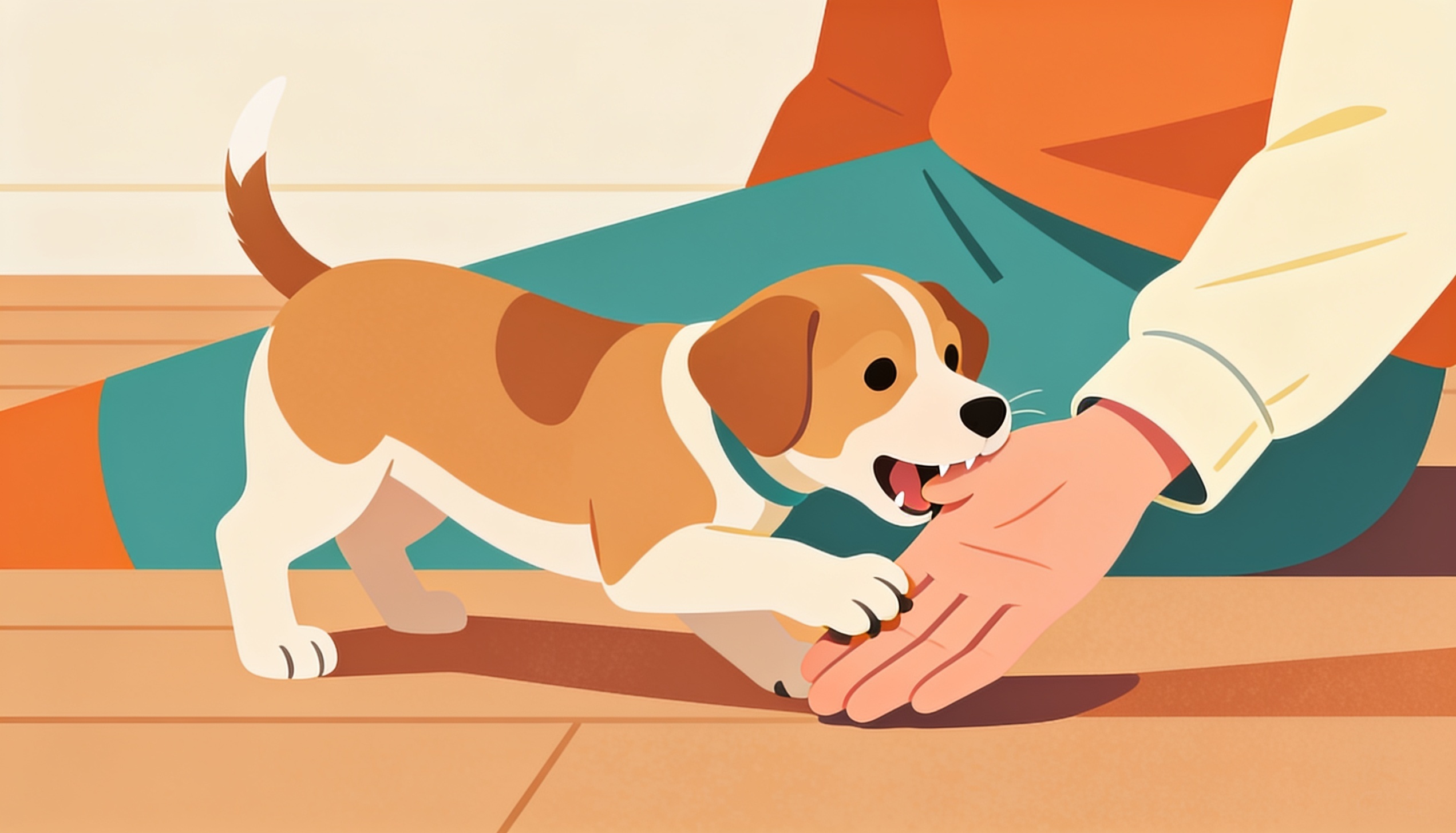
Puppy teeth feel like needles, and it’s completely normal to wonder if your puppy is being aggressive. In almost all cases, biting and nipping in puppies is a normal part of development, not aggression, and it responds well to a few consistent techniques.
Why Puppies Bite
Puppies explore with their mouths, relieve teething discomfort, and play the way littermates taught them, which involves a lot of mouthing. Without siblings to teach bite inhibition, that job falls to you.
Teach Bite Inhibition First
When your puppy bites too hard during play, give a sharp “ouch” and stop playing for 10 to 20 seconds. This mimics how littermates respond to painful bites and teaches your puppy to soften their mouth over time, before working on stopping mouthing altogether.
Redirect to Appropriate Toys
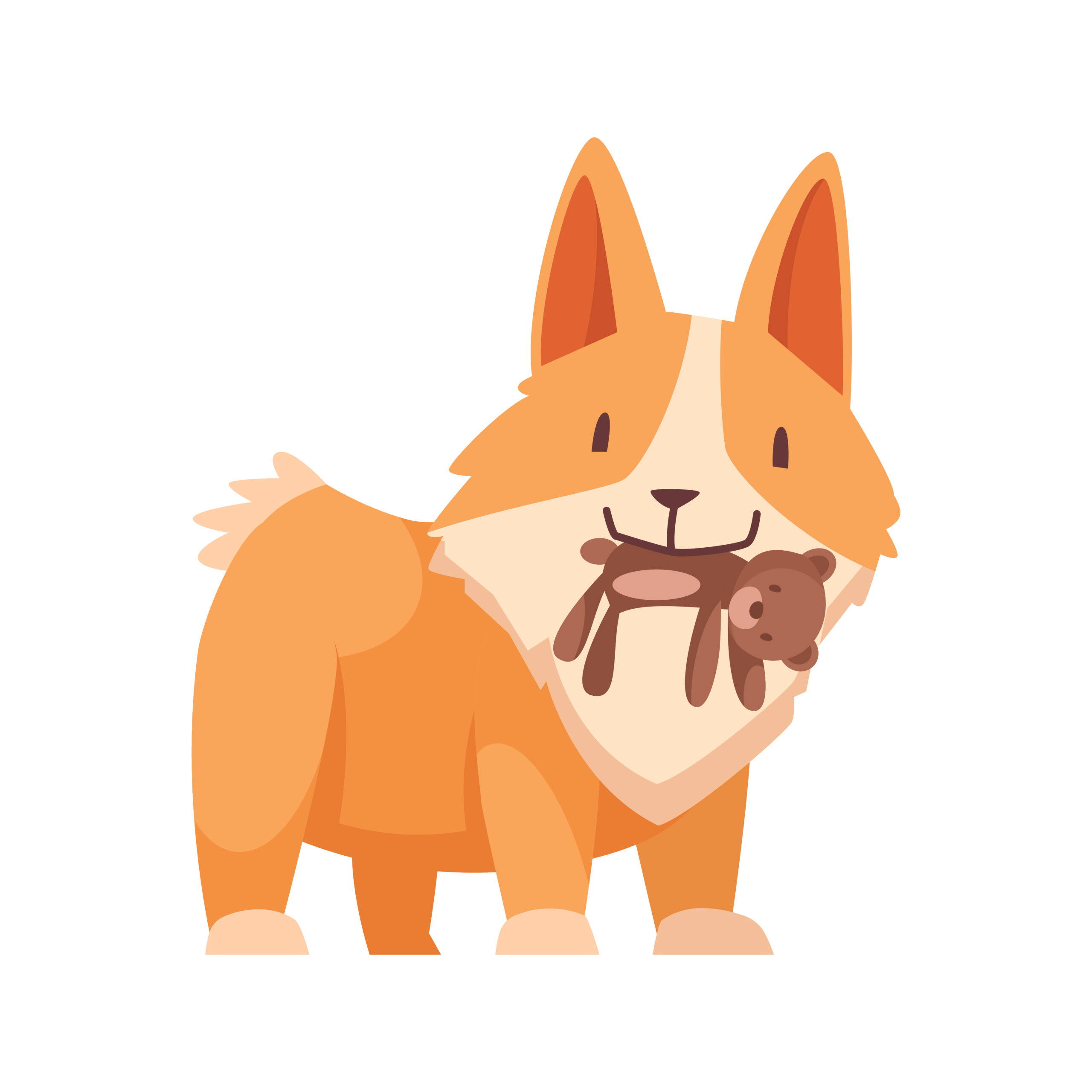
Keep a toy within reach at all times so you can swap it in the moment your puppy starts mouthing hands, feet, or clothing. Consistency matters more than any single correction.
Manage Overtired Biting
Puppies often get mouthier when overtired, similar to a cranky toddler. If biting spikes suddenly, a nap in the crate is often more effective than more training in that moment.
When to Be Concerned
Typical puppy mouthing doesn’t leave bruises or break skin and happens during play. If bites are hard, unprovoked, or paired with stiff body language and growling outside of play, talk to a veterinarian or trainer to rule out fear-based aggression early.
The Bottom Line
Nearly all puppies grow out of nipping by 6 to 8 months old with consistent redirection. Patience during this phase pays off in a dog with a naturally soft mouth as an adult.