Table of Contents
This post contains Amazon affiliate links. As an Amazon Associate, we earn from qualifying purchases, at no extra cost to you.
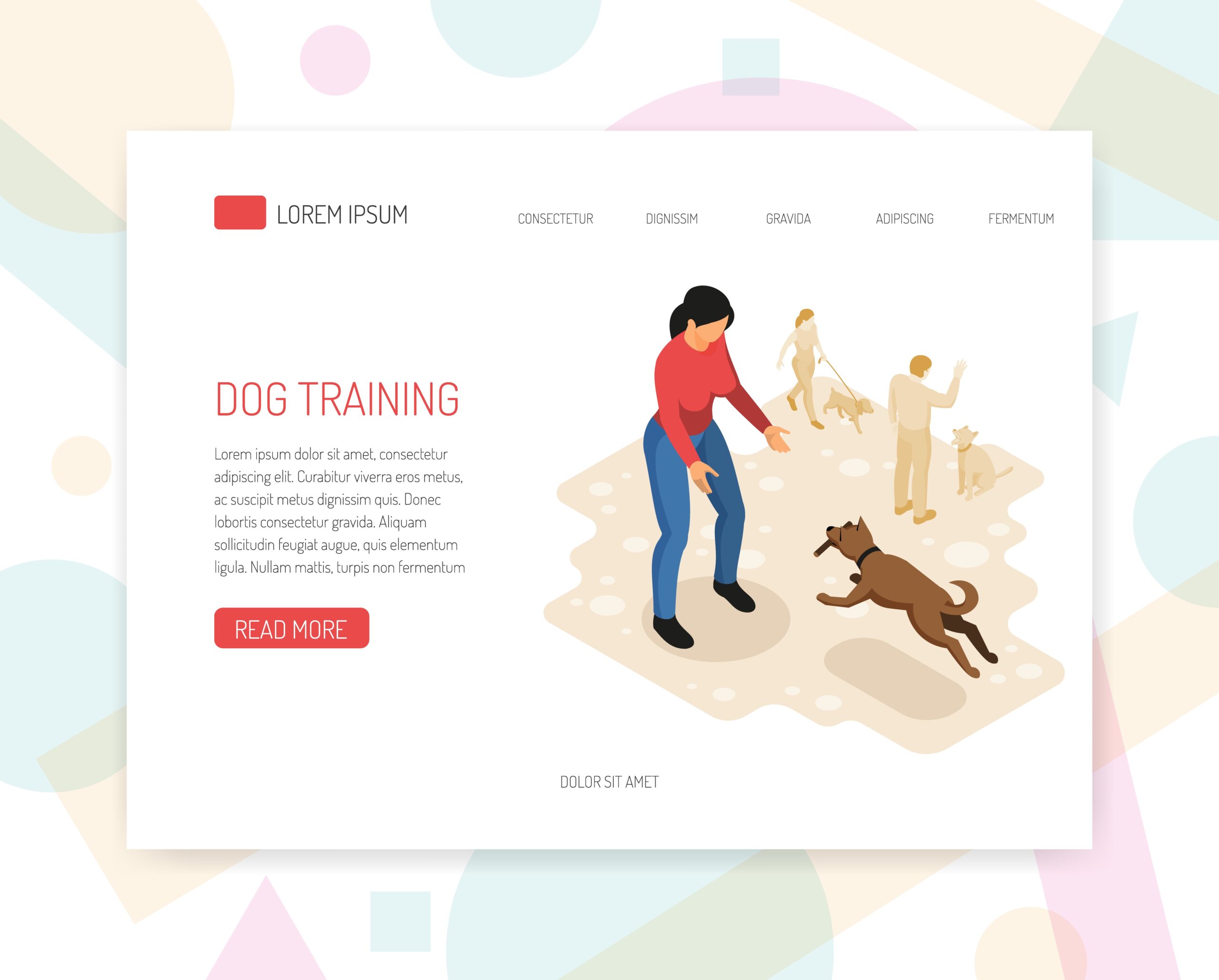
Most everyday training challenges can be solved at home with time and consistency, but some situations genuinely call for professional help. Knowing the difference can save you months of frustration and, in some cases, prevent a safety issue from getting worse.
Aggression or Bites Toward People or Animals
Any bite, or repeated snapping and lunging that puts people or other animals at risk, calls for professional guidance right away. This isn’t a DIY situation, since the wrong approach can make aggression worse or lead to serious injury.
No Progress After Weeks of Consistent Effort
If you’ve been consistent with training for several weeks and see no improvement, or the behavior is getting worse, a trainer can spot what’s not working, which is often something small and easy to miss on your own.
Severe Anxiety or Panic
Dogs that injure themselves trying to escape, panic to the point of self-harm, or show extreme, persistent fear often need a structured behavior modification plan alongside possible veterinary support, which goes beyond typical training advice.
How to Choose a Qualified Trainer
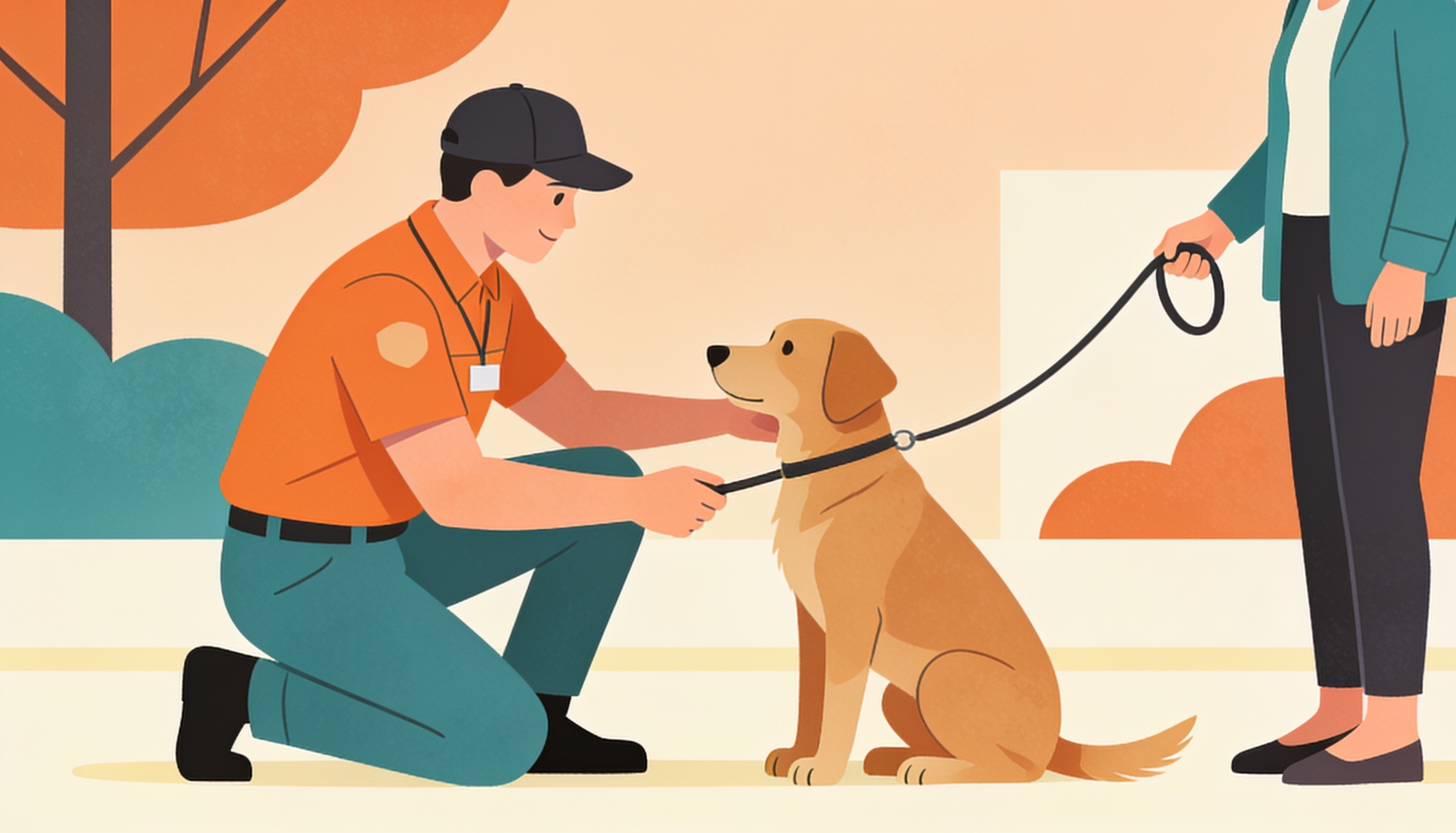
Look for certifications like CPDT-KA or CBCC-KA, ask about their methods (positive reinforcement-based approaches have the strongest track record), and request references. Avoid trainers who rely heavily on punishment or refuse to explain their methods clearly.
The Bottom Line
Asking for help isn’t a failure as a dog owner, it’s often the fastest path to actually solving the problem. When safety, stalled progress, or severe anxiety are involved, a qualified professional is worth the investment.