Table of Contents
This post contains Amazon affiliate links. As an Amazon Associate, we earn from qualifying purchases, at no extra cost to you.
A growl can feel like a betrayal, especially from a dog you trust. But growling is actually one of the most useful things a dog can do: it’s a warning, not an attack, and how you respond in that moment matters more than most owners realize.
Growling Is Communication, Not the Problem
A growl means your dog is uncomfortable and asking for space before things escalate. Punishing the growl itself, whether through scolding or physical correction, doesn’t remove the underlying discomfort. It only teaches your dog to stop warning you, which can lead to bites with no warning at all.
Common Triggers
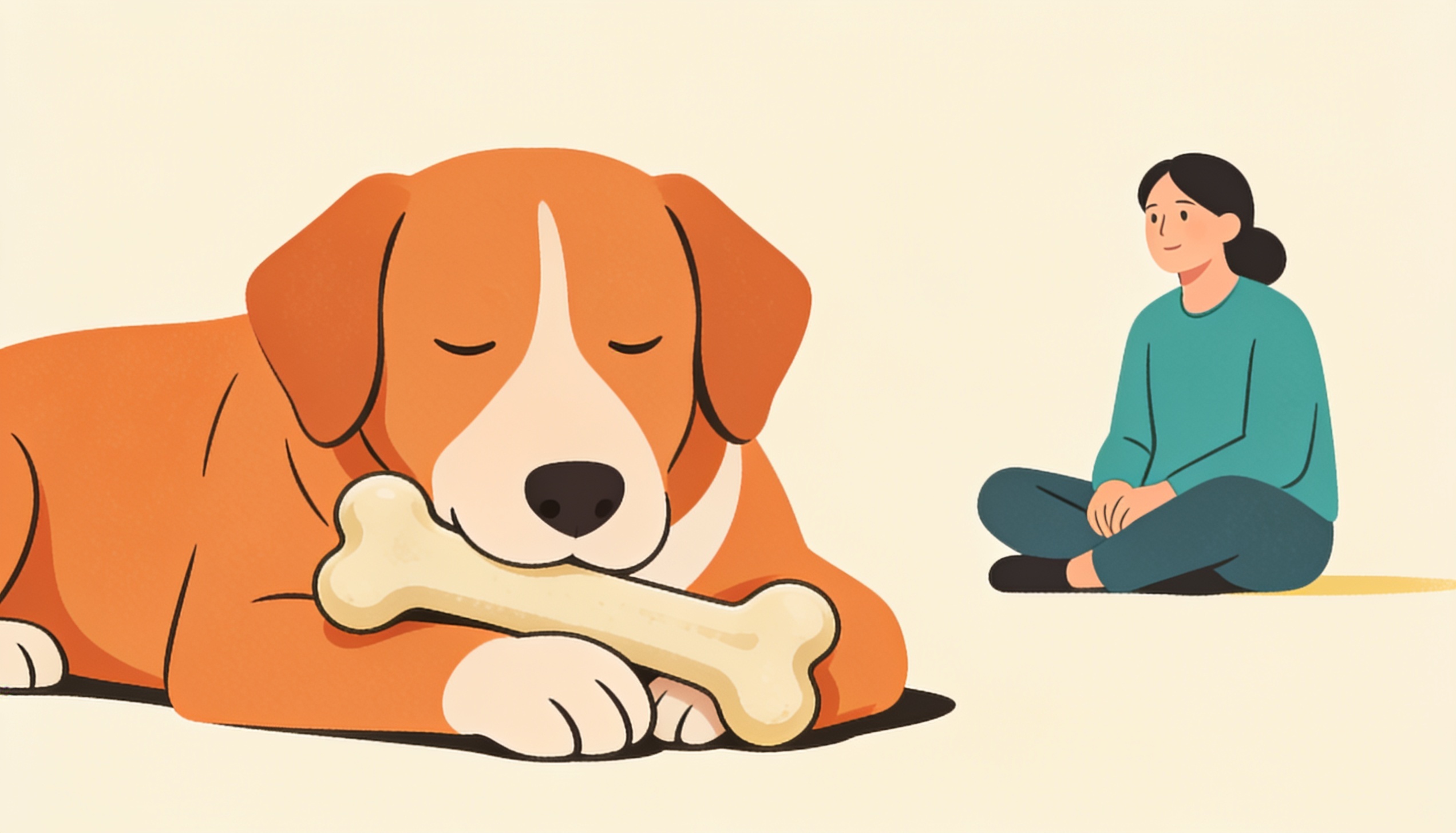
Growling toward an owner is usually tied to resource guarding (food, toys, or a resting spot), being handled somewhere painful or sensitive, being startled awake, or feeling cornered. Identifying the specific trigger tells you what to actually address.
What to Do in the Moment
Stay calm and quietly create distance rather than reaching toward your dog or reacting with frustration. Avoid direct eye contact, which some dogs read as a challenge. Once your dog relaxes, you can address the situation from a safer position.
Preventing Future Growling
Practice trading up: offer a better treat in exchange for an item your dog is guarding instead of taking it by force. Teach children and family members to leave a dog alone while eating or sleeping. If growling is frequent or tied to unpredictable triggers, work with a certified dog behaviorist to address the root cause safely.
The Bottom Line
A growl is valuable information, not defiance. Respecting it and addressing the underlying cause keeps both you and your dog safer than trying to suppress the warning itself.