Table of Contents
This post contains Amazon affiliate links. As an Amazon Associate, we earn from qualifying purchases, at no extra cost to you.
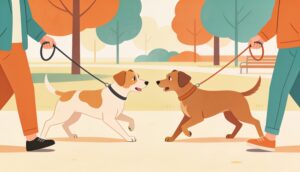
A dog that lunges, barks, or freezes when a stranger approaches isn’t necessarily aggressive by nature. Reactivity toward unfamiliar people is often rooted in fear or under-socialization, and it responds well to a gradual desensitization process.
Watch for Early Warning Signs
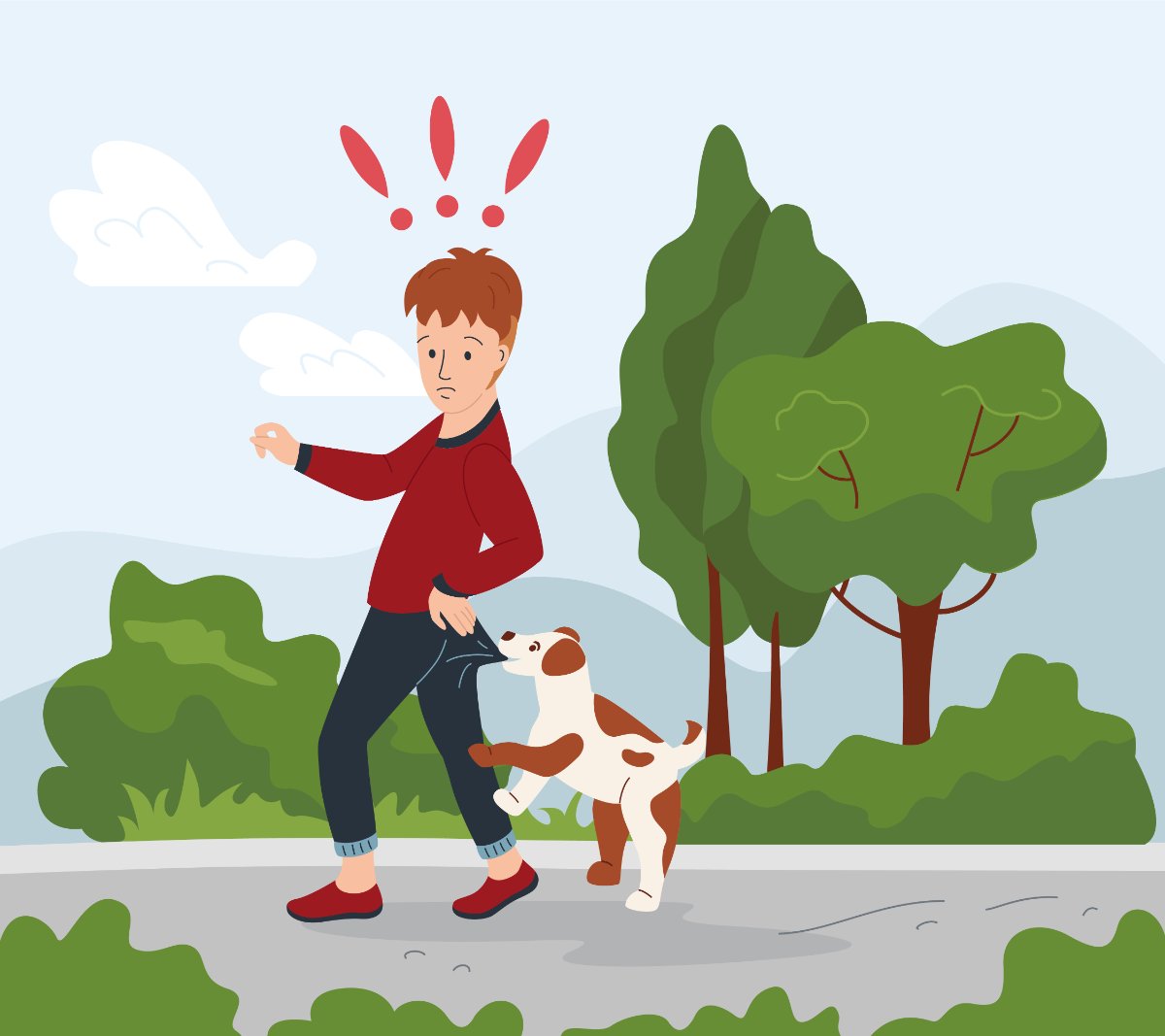
Before reacting outright, most dogs show subtle stress signals: yawning, lip licking, a stiff body, or moving away. Learning to spot these lets you intervene before your dog escalates to barking or lunging.
Find Your Dog’s Threshold Distance
This is the closest a stranger can get before your dog starts reacting. Start training well beyond this distance, where your dog can notice a stranger but stay calm.
Pair Strangers With Something Good
Every time a stranger appears at a safe distance, feed your dog a high-value treat. Over many repetitions, your dog starts to associate strangers with good things instead of a threat. This is the core of counter-conditioning.
Decrease Distance Gradually
Only reduce the distance to strangers once your dog is reliably calm at the current distance across multiple sessions. Rushing this step is the most common reason desensitization plans fail.
Manage Real-World Situations
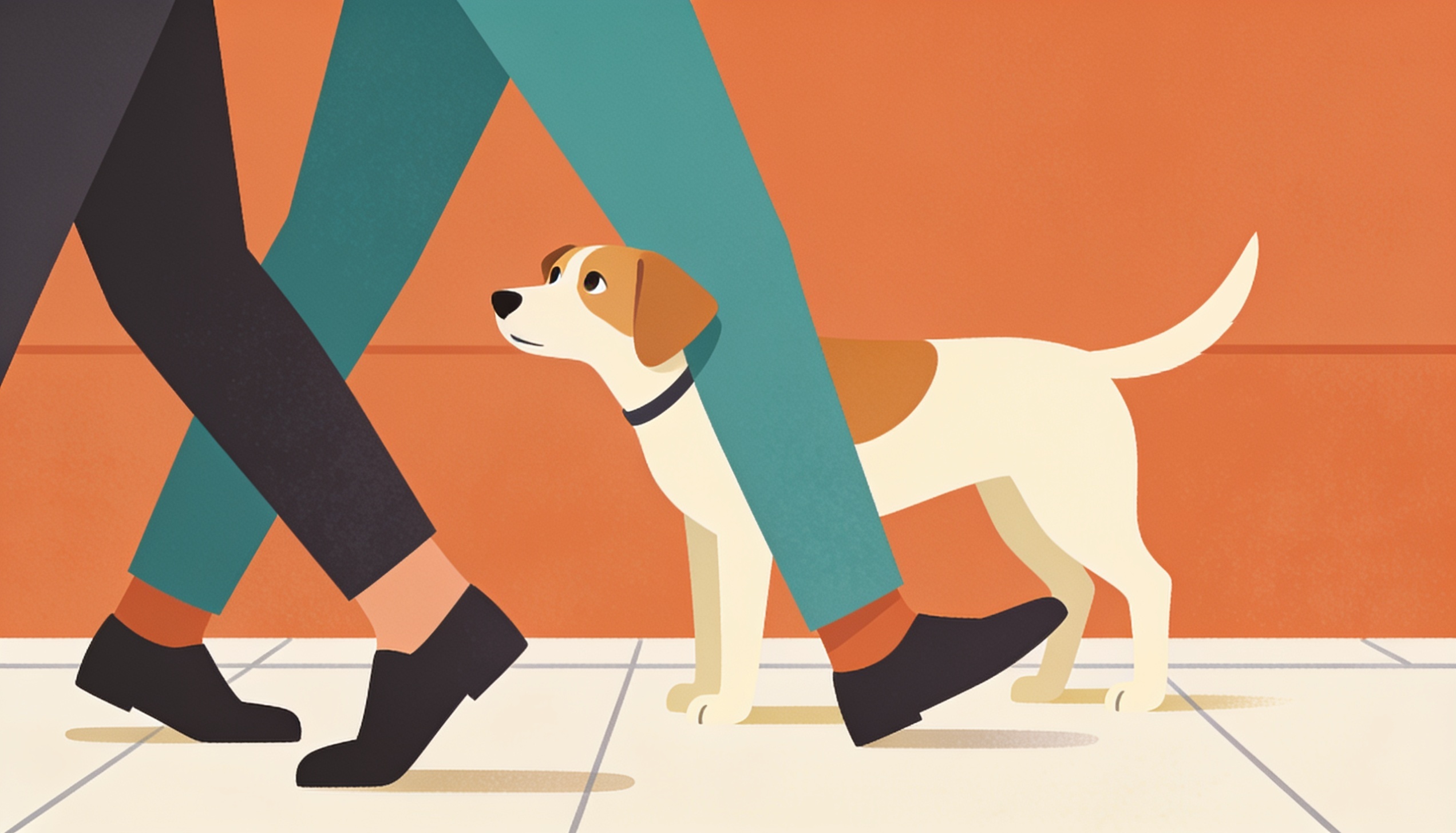
While you’re working through training, avoid situations that exceed your dog’s threshold. Cross the street to add distance, use visual barriers, and don’t force greetings with strangers who want to say hello. Every uncontrolled bad experience sets training back.
When to Get Extra Help
If your dog has ever bitten or come close to biting a stranger, work with a certified professional dog behaviorist rather than relying on guides alone. Safety comes first, and a professional can tailor the plan to your specific dog.
The Bottom Line
Desensitization takes weeks to months of consistent, low-pressure repetition. Going slowly at your dog’s pace is what makes the difference between lasting improvement and no progress at all.