
Table of Contents
This post contains Amazon affiliate links. As an Amazon Associate, we earn from qualifying purchases, at no extra cost to you.
A bored, understimulated dog often turns into a whirlwind of zoomies, jumping, and destructive energy indoors. Most “hyperactive” behavior isn’t a temperament problem, it’s a sign your dog needs a more structured outlet for both body and brain.

Physical Exercise: More Than a Walk
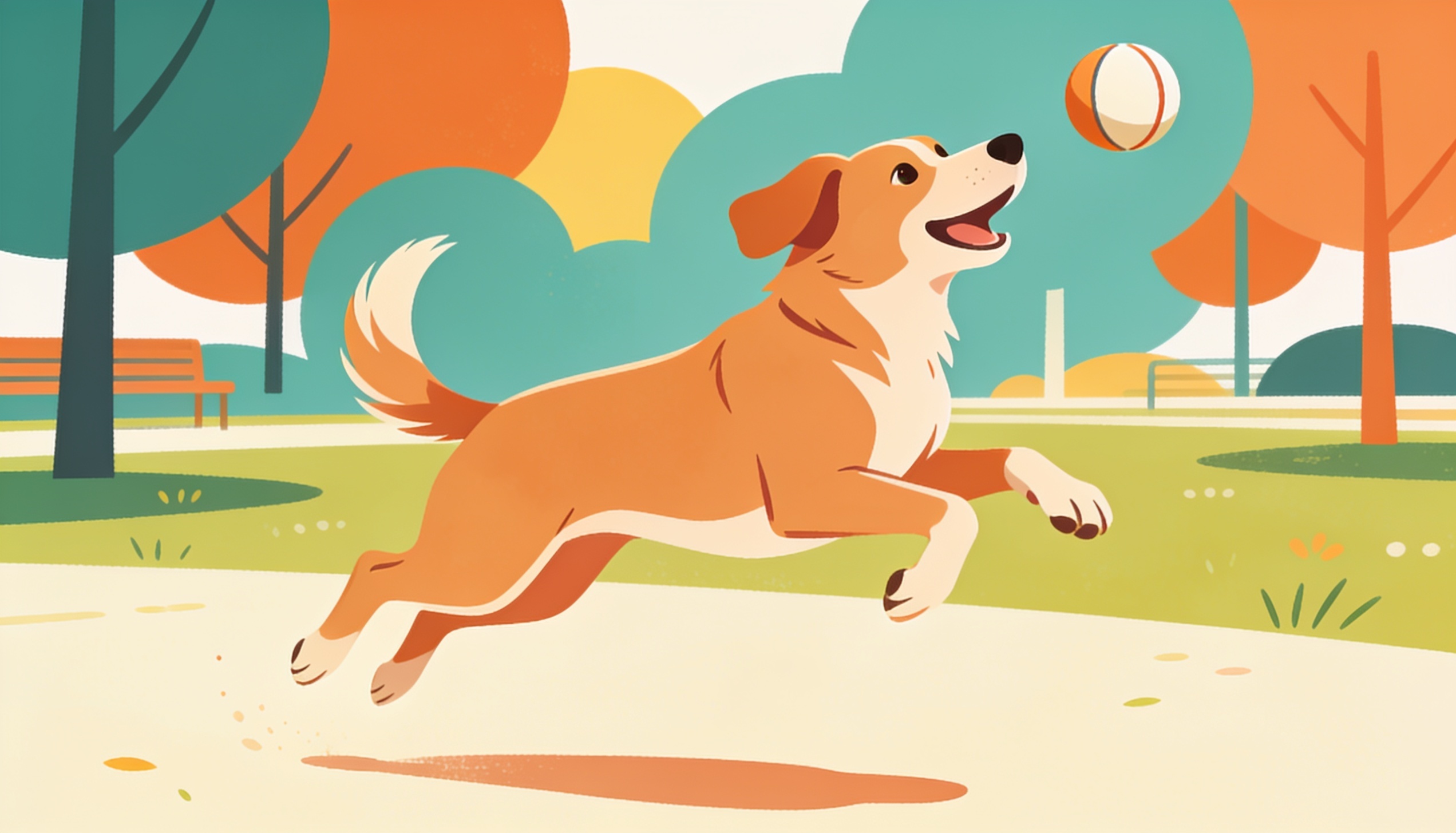
A leisurely walk barely scratches the surface for a high-energy dog. Add sprint sessions playing fetch, tug-of-war, or off-leash time in a securely fenced area if your dog has good recall. Swimming is another excellent low-impact option for burning energy quickly.
Mental Exercise Matters Just as Much
Fifteen minutes of training or a food puzzle can tire a dog out as much as an hour of walking, because problem-solving is mentally exhausting in a good way. Rotate between obedience practice, scent games (hiding treats around a room), and puzzle feeders throughout the day.
Build a Daily Routine
A sample day might include a morning walk or run, a short training session midday, a food puzzle at lunch, and an evening play session. Consistency matters more than any single activity, since a predictable outlet prevents energy from building up.
Choose the Right Breed-Appropriate Activities
High-drive working and herding breeds often need more structured tasks, like agility, nose work, or herding balls, rather than free play alone. Matching activities to your dog’s original purpose channels energy more effectively.
The Bottom Line
Most hyperactivity resolves once a dog gets enough of the right kind of stimulation, both physical and mental. Give the routine two to three weeks of consistency before expecting to see the full effect.