Table of Contents
This post contains Amazon affiliate links. As an Amazon Associate, we earn from qualifying purchases, at no extra cost to you.
Of all the cues a dog can learn, few matter as much in an emergency as “leave it” and “drop it.” A dropped pill on the kitchen floor, a piece of trash on a walk, or something genuinely dangerous your dog has already picked up are all moments where a fast, reliable response can prevent a trip to the emergency vet.
Why These Two Cues Are Different (and Both Necessary)
“Leave it” is a prevention cue: it tells your dog not to touch something they have not picked up yet. “Drop it” is a release cue: it tells your dog to let go of something already in their mouth. Dogs do not automatically generalize one to the other, so both need to be taught and practiced separately, even though they often get used together in the same moment.
Teaching “Leave It” From Scratch
Start with a treat closed in your fist. Let your dog sniff and paw at your hand, and the moment they back off or lose interest, even briefly, mark the moment with a calm “yes” and reward from your other hand, never the fist itself. This teaches your dog that leaving the tempting item is what actually produces the reward, not persistence.
Building Up to Real Objects
Once your dog reliably backs off from the closed fist, progress to an open palm, then a treat on the floor covered by your hand, then finally a treat on the floor with your hand hovering nearby ready to cover it if needed. Add the verbal cue “leave it” only once the behavior is already reliable, so the word gets attached to a behavior your dog already understands rather than one they are still guessing at.
- Practice with low-value items first, saving high-value or novel items for once the cue is solid.
- Keep initial sessions short, five minutes or less, several times a day.
- Always reward with something better than what you asked them to leave.
Teaching “Drop It” Without a Struggle
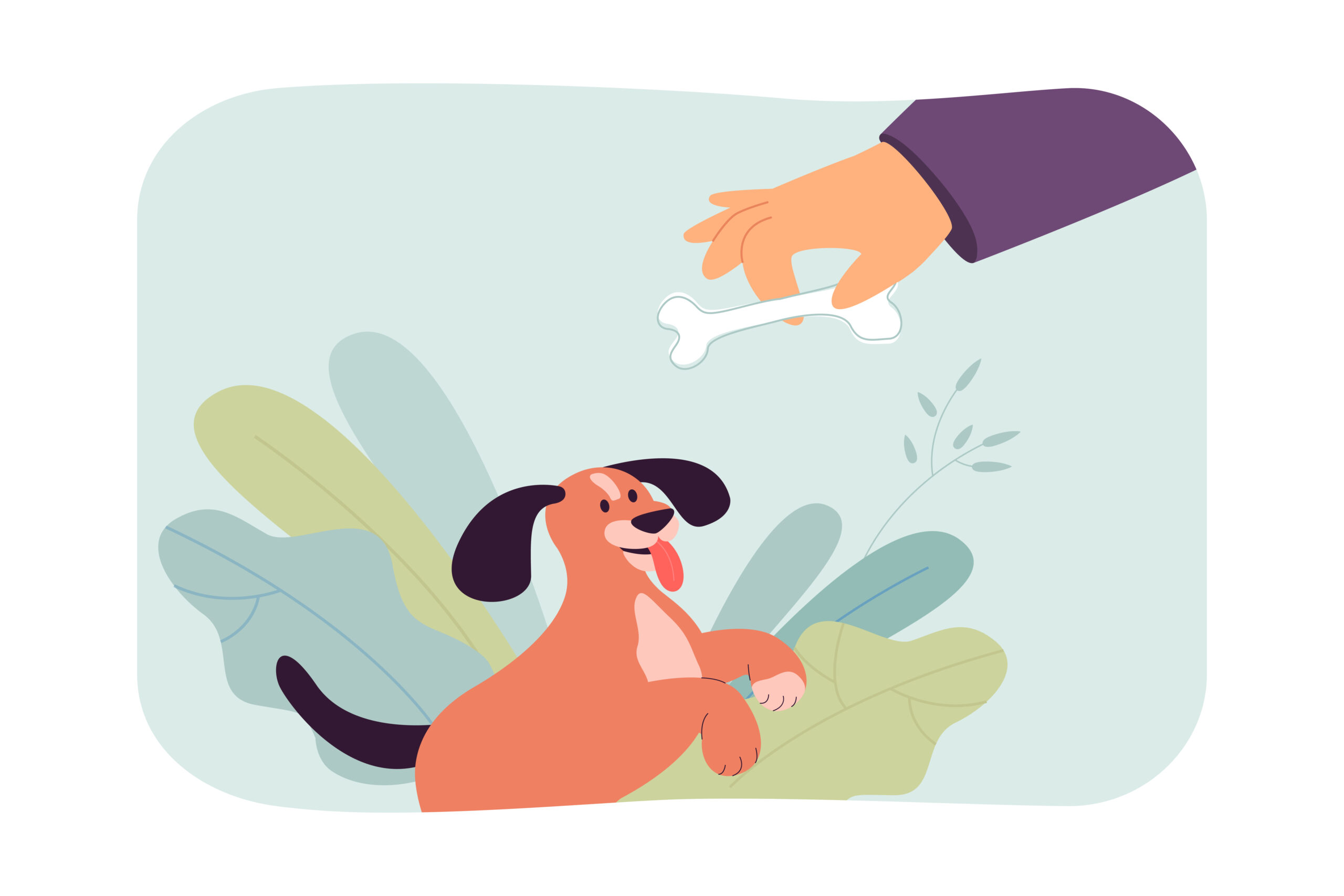
The most common mistake with “drop it” is turning it into a tug-of-war, which teaches dogs to grip harder and can turn the cue into a trigger for resource guarding over time. Instead, offer a trade: present a higher-value treat near your dog’s nose while saying “drop it,” and the moment they release the item to investigate the treat, reward and calmly pick up the dropped object.
Practicing the Trade Game Daily
Play a simple trading game during regular playtime: offer a toy, let your dog take it, then offer a treat while saying “drop it,” rewarding the release and immediately giving the toy back afterward. This teaches your dog that dropping something does not mean losing it forever, which makes them far more willing to comply quickly, even with items they value highly.
Putting It Together in Real Situations
Once both cues are reliable in low-distraction practice, start testing them on walks and around the house with real, mildly interesting distractions, always setting your dog up to succeed rather than testing with something too tempting too soon. A dog with a genuinely reliable “leave it” and “drop it” is safer in nearly every situation, from the kitchen floor to the trailhead.