Table of Contents
This post contains Amazon affiliate links. As an Amazon Associate, we earn from qualifying purchases, at no extra cost to you.
A dog that comes running the instant they are called is one of the most useful, and most underrated, skills in all of dog training. It keeps a dog safe off leash, defuses tense encounters with other dogs, and turns the outdoors into a place you can actually relax in together. It is also one of the cues owners most often give up on, usually because of one avoidable mistake made early in training.
Why Recall Is the Hardest Cue to Master
Unlike sit or shake, recall constantly competes with the environment. A squirrel, another dog, or an interesting smell is often far more rewarding in the moment than whatever the owner is offering, especially if coming back has never been made worthwhile. Reliable recall is not really about obedience; it is about making yourself the single best option available at any given moment, which takes deliberate practice rather than hope.
Never Punish a Dog for Coming to You
This is the single most damaging and most common mistake in recall training. If a dog finally comes back after ignoring several calls and is scolded for the delay, they learn that coming to their owner can lead to something unpleasant. The next time, they hesitate even longer, or avoid coming at all. However frustrated you are in the moment, greet every single recall, no matter how slow, with genuine warmth.
Building Recall From Scratch (or Rebuilding It)
If your current recall word feels “burned” from repeated ignoring, it is often more effective to start fresh with a brand new word or sound, like a distinct whistle or an unusual word, rather than continuing to erode the old one. Begin indoors with zero distractions, call once, and reward enthusiastically the instant your dog arrives, every single time, for at least several weeks before introducing any real-world distraction.
The “Recall Party” Method
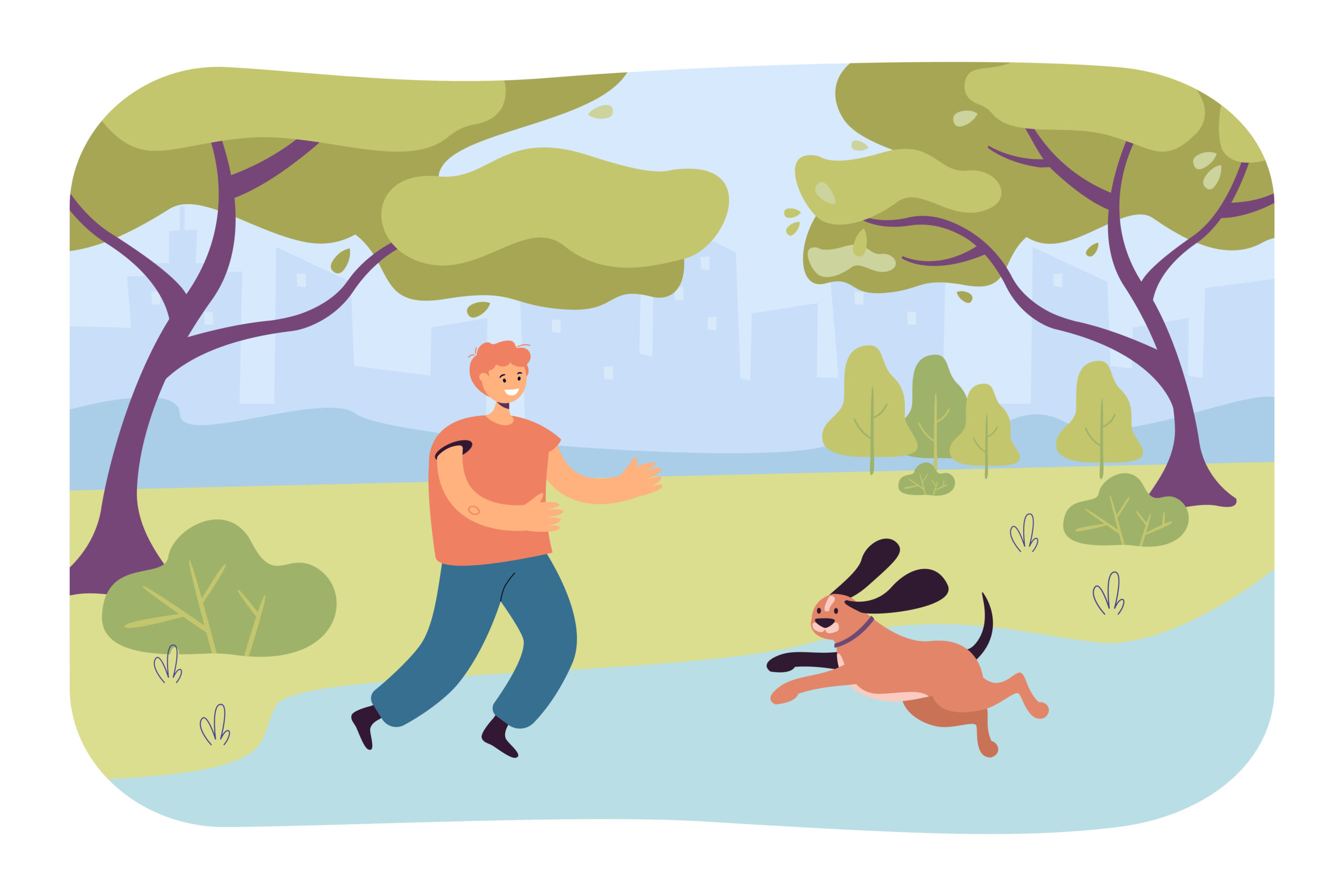
Rather than a single treat, make every successful recall a genuine celebration: a handful of high-value treats delivered one at a time, excited praise, and maybe a quick game of tug. The goal is for your dog to feel that coming back is the single most rewarding thing that can happen during a walk, not a mildly pleasant interruption to it.
- Call your dog’s name or recall word only once, not repeatedly.
- Reward every single successful recall, especially in the first few months.
- Never call your dog to end a fun activity, like leaving the park, without also rewarding the recall itself.
Practicing With Distance and Distractions
Only increase difficulty in small steps: greater distance first, then mild distractions, then higher-value distractions like other dogs or food on the ground, always in a controlled setting where you can guarantee success. If your dog fails to respond at a given difficulty level, that is useful information that you have moved too fast, not a reason to repeat the cue louder or more urgently.
Using a Long Line for Safe Real-World Practice
A 15 to 30 foot long line lets you practice recall around real distractions without risking your dog actually getting loose or ignoring you successfully, which would undo your progress. Call your dog, and if they do not respond within a second or two, use gentle pressure on the line to guide them in rather than repeating the word, then reward warmly on arrival regardless of how they got there. Most dogs reach a genuinely reliable off-leash recall within two to four months of consistent, reward-heavy practice.