Table of Contents
This post contains Amazon affiliate links. As an Amazon Associate, we earn from qualifying purchases, at no extra cost to you.
Separation anxiety is one of the most common behavior problems in dogs, and it can be one of the most frustrating to live with. A dog with separation anxiety may bark, howl, destroy furniture, or have accidents indoors within minutes of being left alone. The good news is that with patience and the right approach, most dogs can learn to feel calm when you’re away.
Recognizing the Signs
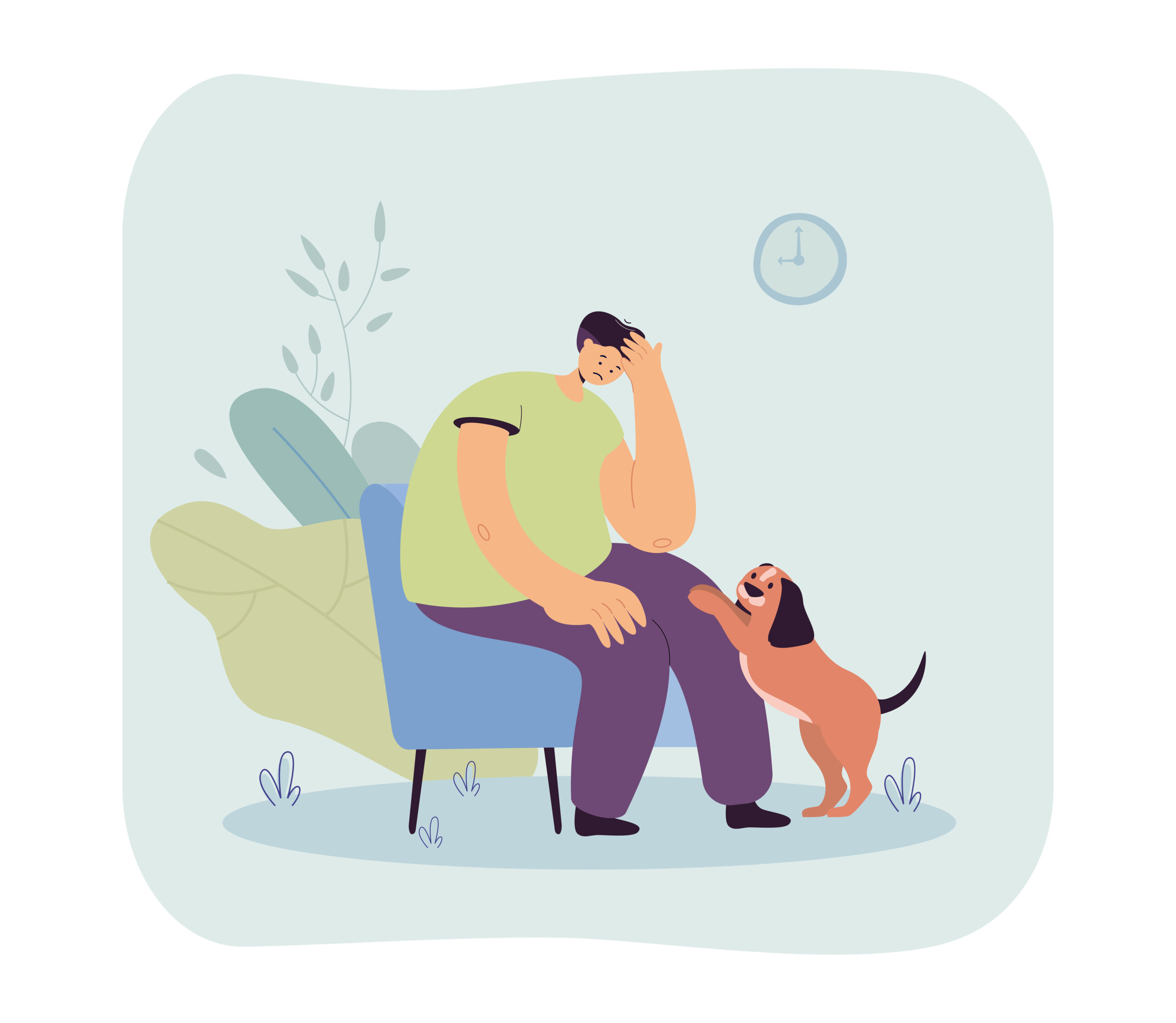
Before you can fix separation anxiety, it helps to confirm that’s really what’s happening. Common signs include excessive barking or howling that starts right after you leave, destructive chewing focused on doors and windows, pacing, drooling, and house soiling in an otherwise house-trained dog. If your dog only misbehaves when alone and calms down as soon as you return, separation anxiety is a likely cause.
Why It Happens
Dogs are social animals, and being left alone can genuinely feel threatening to them. Separation anxiety often appears after a big change: a move, a new schedule, the loss of a companion animal, or time spent in a shelter. Puppies who were never gradually taught to be alone are also more prone to developing it.
Step 1: Practice Short Departures
Start by leaving for just a few seconds, then come back before your dog gets anxious. Gradually increase the time you’re gone, from seconds to minutes to hours. The key is to never push the duration far enough that your dog starts to panic. If they do, go back to a shorter time and build up more slowly.
Step 2: Change Your Leaving Routine
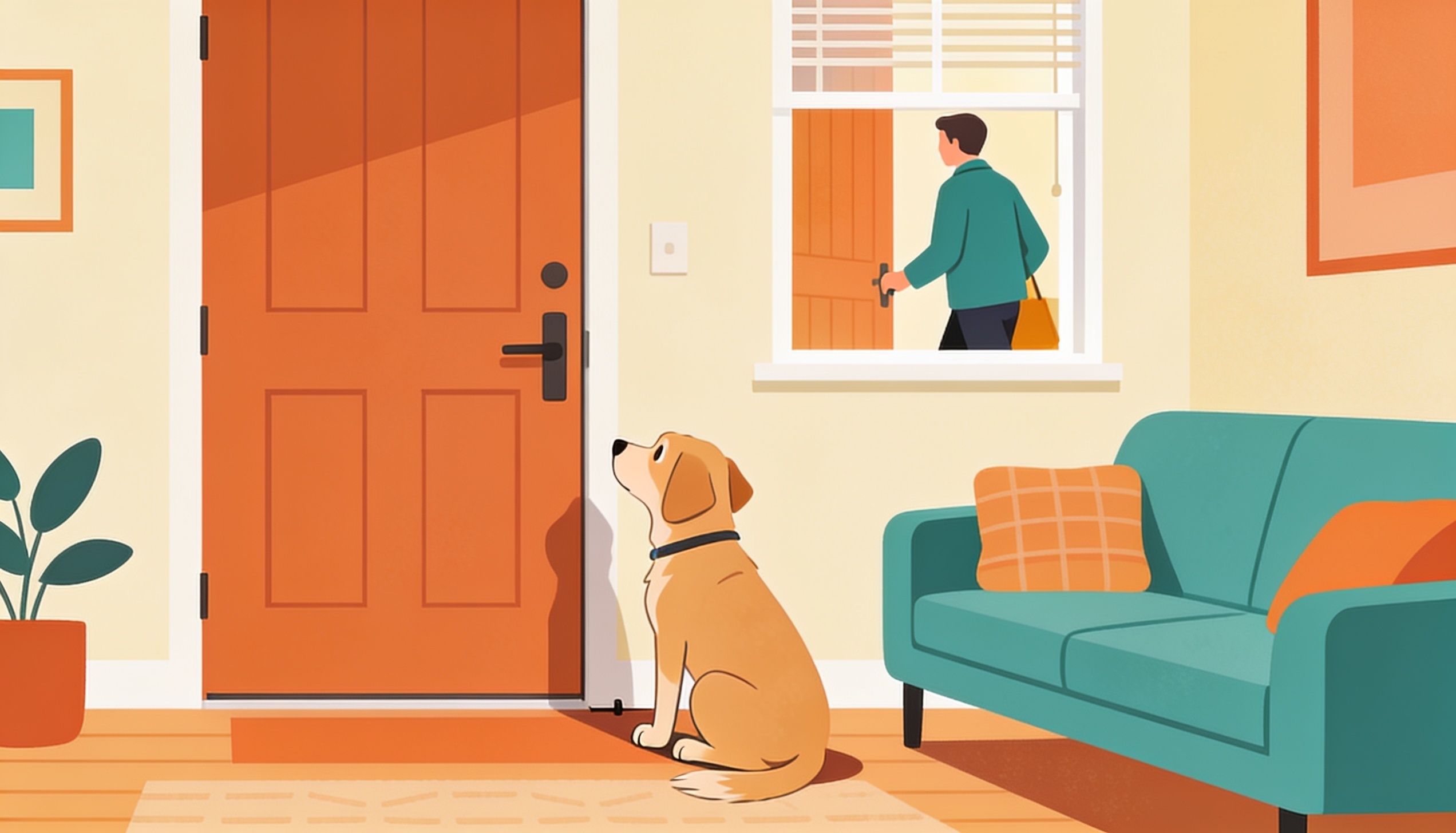
Dogs pick up on cues like grabbing your keys or putting on your shoes, and these cues alone can trigger anxiety. Practice these actions at random times without actually leaving, so they stop predicting your departure.
Step 3: Keep Arrivals and Departures Calm
Avoid long, emotional goodbyes or excited greetings. Keep both low-key so your dog learns that you leaving and coming back are not a big deal.
Step 4: Provide a Safe Distraction
A food puzzle toy or a stuffed frozen treat given right before you leave can help your dog associate your absence with something positive, and it keeps them occupied during the hardest first few minutes alone.
Step 5: Rule Out Physical Exercise Gaps
A tired dog is a calmer dog. A brisk walk or play session before you leave burns off excess energy that might otherwise turn into anxious behavior.
When to Get Professional Help
If your dog shows signs of panic such as injuring themselves trying to escape, or if progress stalls despite weeks of consistent practice, talk to your veterinarian or a certified dog behaviorist. In some cases, anti-anxiety medication combined with training can make a real difference.
The Bottom Line
Separation anxiety takes time to resolve, often weeks or months of consistent practice. Progress isn’t always linear, but with patience, most dogs learn to relax when left alone.