
Table of Contents
This post contains Amazon affiliate links. As an Amazon Associate, we earn from qualifying purchases, at no extra cost to you.
A freshly dug-up flower bed or a series of craters across the lawn is one of the more common frustrations of dog ownership, but digging is rarely random. It is almost always driven by a specific, identifiable motivation, and figuring out which one applies to your dog is the key to actually resolving it rather than just patching holes.
Why Dogs Dig
Dogs dig for a handful of common reasons: boredom and excess energy, a natural instinct to create a cool resting spot on hot days, hunting the scent of small animals underground, anxiety or an attempt to escape the yard, or simply because digging itself feels good and has never been redirected elsewhere. Most digging problems involve more than one of these factors at once.
Ruling Out Boredom and Excess Energy First
Before addressing digging directly, make sure your dog’s physical and mental exercise needs are genuinely being met. A dog left alone in a yard for hours with nothing to do will often create their own entertainment, and digging is one of the most satisfying outlets available to them. Increasing daily walks, adding puzzle toys, and providing supervised yard time rather than long stretches of unsupervised access often reduces digging significantly on its own.
Giving Your Dog a Legal Place to Dig
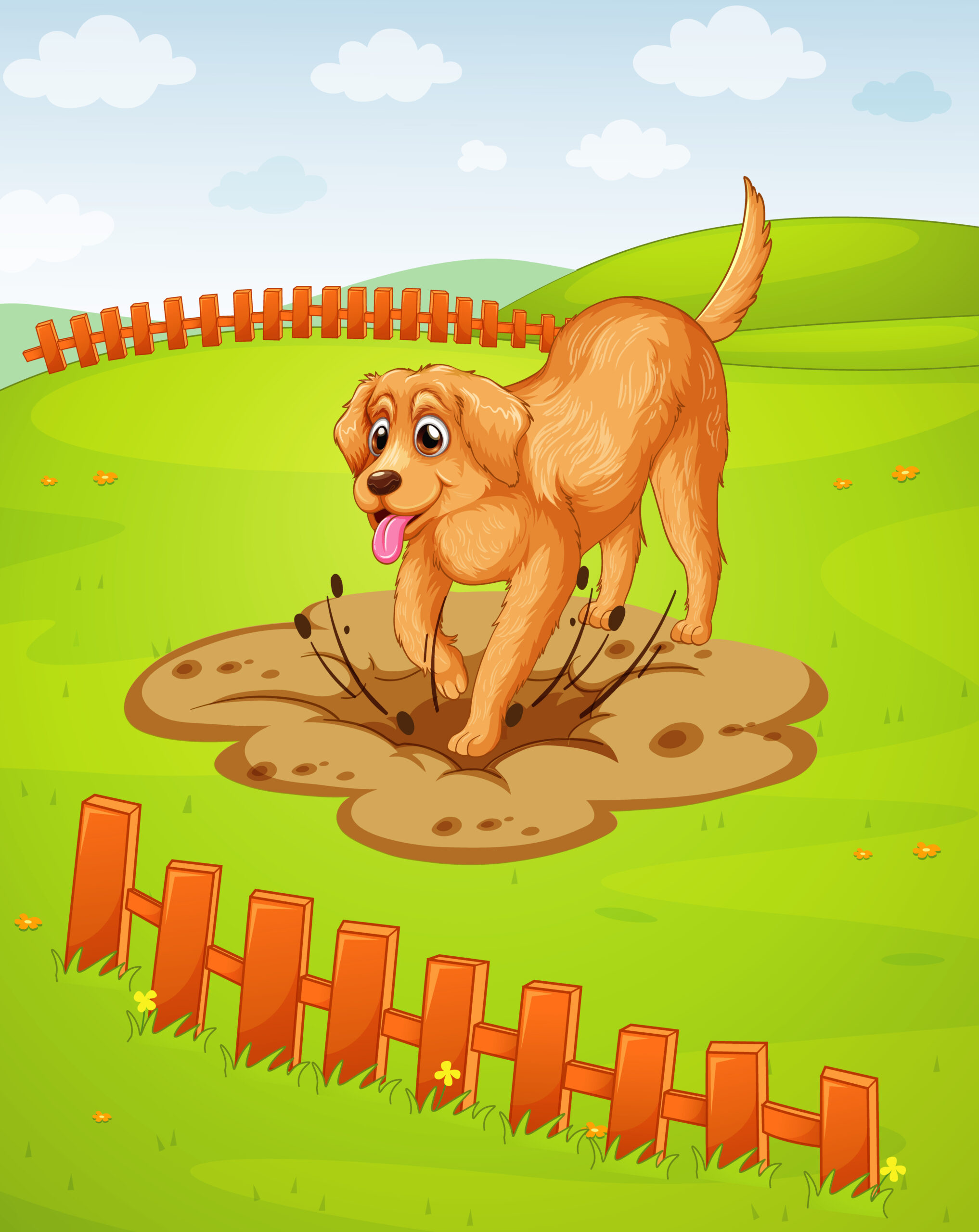
For dogs with a strong digging drive, removing the outlet entirely often just shifts the behavior to a new spot. Instead, build a designated digging area, such as a sandbox or a loose-soil garden bed, and encourage your dog to dig there by burying toys or treats for them to find. Over time, most dogs learn to direct their digging energy to the approved spot.
- Choose a spot away from valued plants and mark it clearly with a border.
- Bury toys or treats there regularly to make it the most rewarding option.
- Redirect your dog there calmly whenever you catch them digging elsewhere.
Removing the Reward for Digging in Unwanted Spots
If certain areas keep getting dug up despite redirection, temporarily blocking access with a barrier, chicken wire just beneath the surface, or a physical fence around the area removes the reward of a successful dig, which speeds up the process of teaching your dog those spots are off-limits. Combine this with consistently making the designated digging area more appealing.
Addressing Digging Driven by Anxiety or Escape
Digging along a fence line, especially combined with other signs of distress, often points to anxiety or an active attempt to escape the yard, rather than boredom or instinct. This version of digging needs to be addressed as a separation anxiety or containment issue in its own right, since more exercise or a digging pit alone will not resolve digging that is fundamentally about escape.
Managing the Yard While Training Is in Progress
While you work through the underlying cause, supervising outdoor time and limiting unsupervised access to problem areas prevents new habits from forming and protects your landscaping in the meantime. Most digging driven by boredom or instinct improves noticeably within a few weeks once a legal outlet and adequate exercise are consistently in place.