Table of Contents
This post contains Amazon affiliate links. As an Amazon Associate, we earn from qualifying purchases, at no extra cost to you.
A dog that licks their paws, a specific spot on their body, furniture, or even the air more than usual is sending a signal worth paying attention to. Excessive licking can stem from something as simple as boredom, or something as significant as an underlying medical condition, and figuring out which one you are dealing with changes the entire approach.
Why Some Licking Is Normal, and When It Isn’t
All dogs lick occasionally, whether grooming themselves, showing affection, or investigating a new smell. Licking becomes a concern when it is frequent, focused on one spot to the point of hair loss or raw skin, or seems to happen independent of any obvious trigger. At that point, it is worth treating as a symptom rather than simply a quirky habit.
Medical Causes Worth Ruling Out First
Allergies, whether environmental or food-based, are among the most common medical drivers of excessive licking, particularly of the paws. Skin infections, parasites, joint pain, and gastrointestinal discomfort can also present as licking, sometimes in a spot that seems unrelated to the actual source of discomfort. Because several of these causes require medical treatment to resolve, ruling them out is the appropriate first step before assuming the cause is purely behavioral.
Behavioral Causes: Anxiety, Boredom, and Habit
Once medical causes have been ruled out, licking often turns out to be a self-soothing behavior tied to anxiety, understimulation, or a compulsive habit that developed over time, similar in function to nail-biting in people. Dogs left alone for long stretches with little mental stimulation are particularly prone to developing licking as a coping mechanism.
How to Tell the Difference
Medical licking tends to focus on a consistent physical location, often worsens with a specific trigger like after eating a certain food, and may come with other signs like redness, swelling, or odor. Behavioral licking is more likely to occur during specific emotional states, such as when left alone, during thunderstorms, or in moments of frustration, and often responds to environmental changes rather than treatment.
- Note exactly when and where the licking happens over a week or two.
- Check for redness, hair loss, odor, or swelling at the site.
- Rule out fleas, food changes, and recent stressors as a starting point.
Redirecting Compulsive Licking
For licking with a behavioral root, increasing physical exercise and mental enrichment, such as puzzle feeders and scent games, often reduces the underlying restlessness driving the behavior. Redirecting your dog to an appropriate chew item the moment licking begins, rather than scolding them, can also interrupt the habit without adding stress to an already anxious dog.
When to See a Veterinarian or Behaviorist
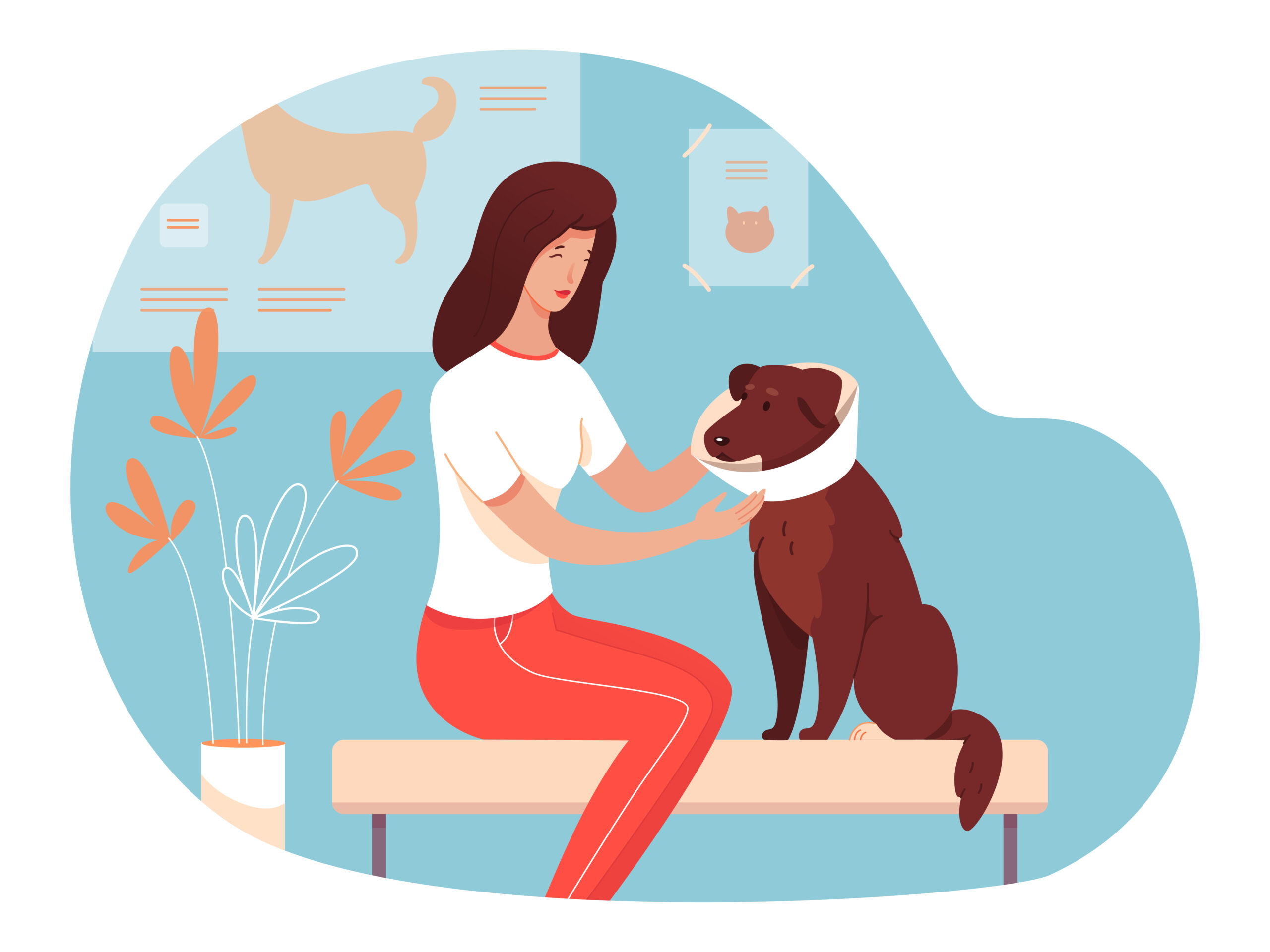
Any licking severe enough to cause hair loss, open sores, or a persistent odor warrants a veterinary visit before anything else, since treating a medical cause behaviorally will not resolve it and may allow it to worsen. If your veterinarian rules out medical causes and the licking continues, a veterinary behaviorist can help address the underlying anxiety or compulsive pattern directly.