Table of Contents
This post contains Amazon affiliate links. As an Amazon Associate, we earn from qualifying purchases, at no extra cost to you.
Watching your dog lunge, growl, or snap at other dogs can be embarrassing and scary, especially on walks. But dog-to-dog aggression almost always has an identifiable cause, and understanding it is the first step toward managing it safely.
Fear-Based Aggression
This is the most common cause, especially in dogs that were poorly socialized as puppies or had a bad experience with another dog. A fearful dog often shows warning signs first: stiff body, tucked tail, ears back, and lip licking, before escalating to growling or snapping if the other dog gets too close.
Leash Reactivity
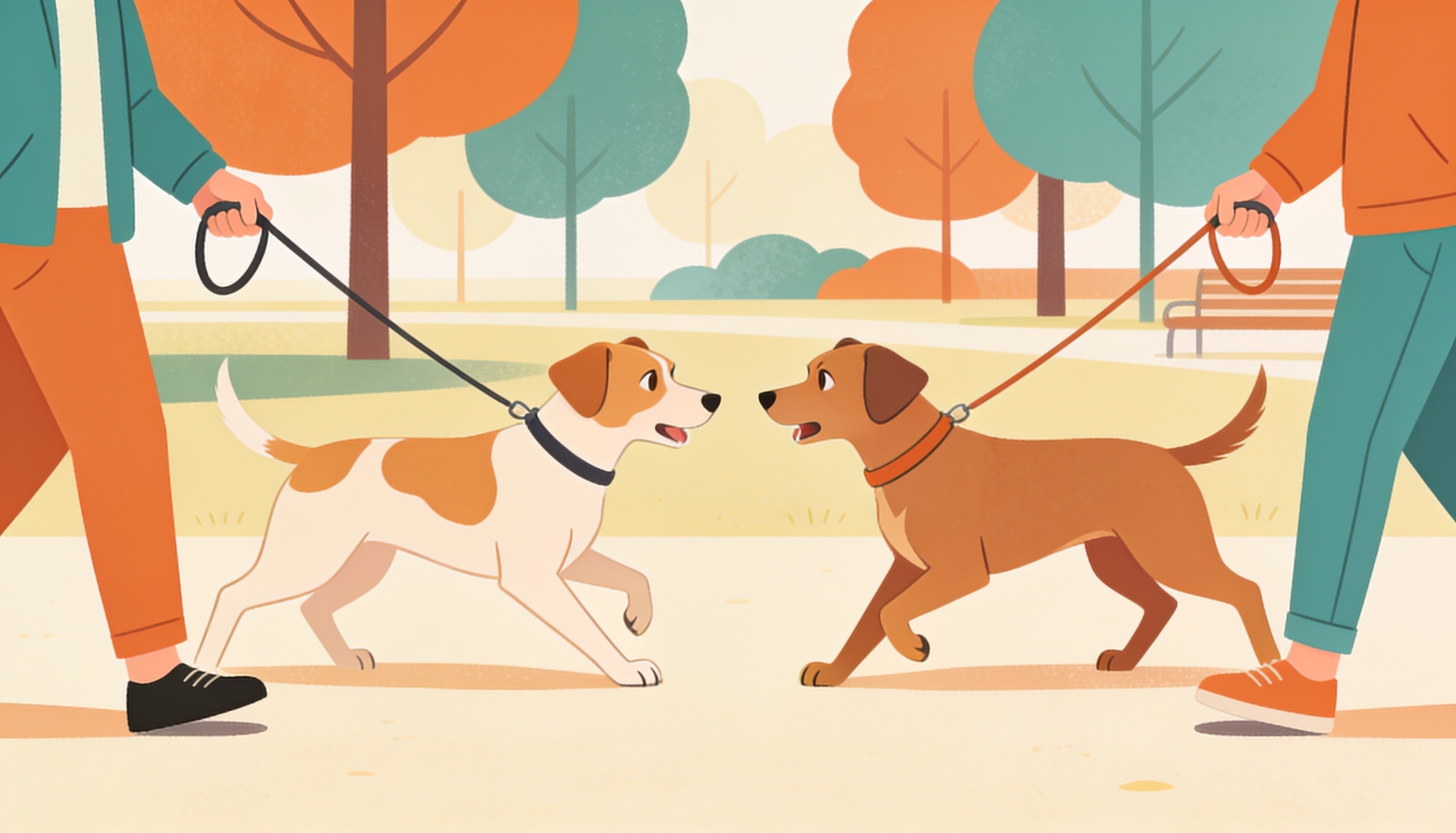
Some dogs are perfectly friendly off-leash but become reactive on a leash because they feel trapped and unable to create distance or greet normally. This is called leash frustration or barrier frustration, and it’s often mistaken for true aggression.
Resource Guarding
Aggression that appears only around food, toys, or a favorite person is usually resource guarding rather than general dog-to-dog aggression. This is manageable with structured training around the specific resource.
Redirected Aggression
Sometimes a dog gets worked up by something else entirely, like a squirrel or a barking dog behind a fence, and redirects that frustration onto the nearest dog, even one they’re normally friendly with.
Pain or Medical Issues
A dog in pain, whether from arthritis, an injury, or an ear infection, may become defensive around other dogs simply to avoid being bumped or jostled. New or sudden aggression in an older dog is worth a vet visit before anything else.
What to Do Next
Once you have a sense of the likely cause, manage exposure to avoid rehearsing the behavior: increase distance from triggers, use a front-clip harness for better control, and consider working with a certified dog behaviorist for a structured desensitization plan. Avoid punishing growls, since growling is a warning your dog is communicating, and suppressing it can lead to bites without warning later.
The Bottom Line
Dog-to-dog aggression is rarely random. Identifying whether fear, frustration, resource guarding, or pain is driving the behavior lets you address the actual problem instead of just the symptom.