
Table of Contents
This post contains Amazon affiliate links. As an Amazon Associate, we earn from qualifying purchases, at no extra cost to you.
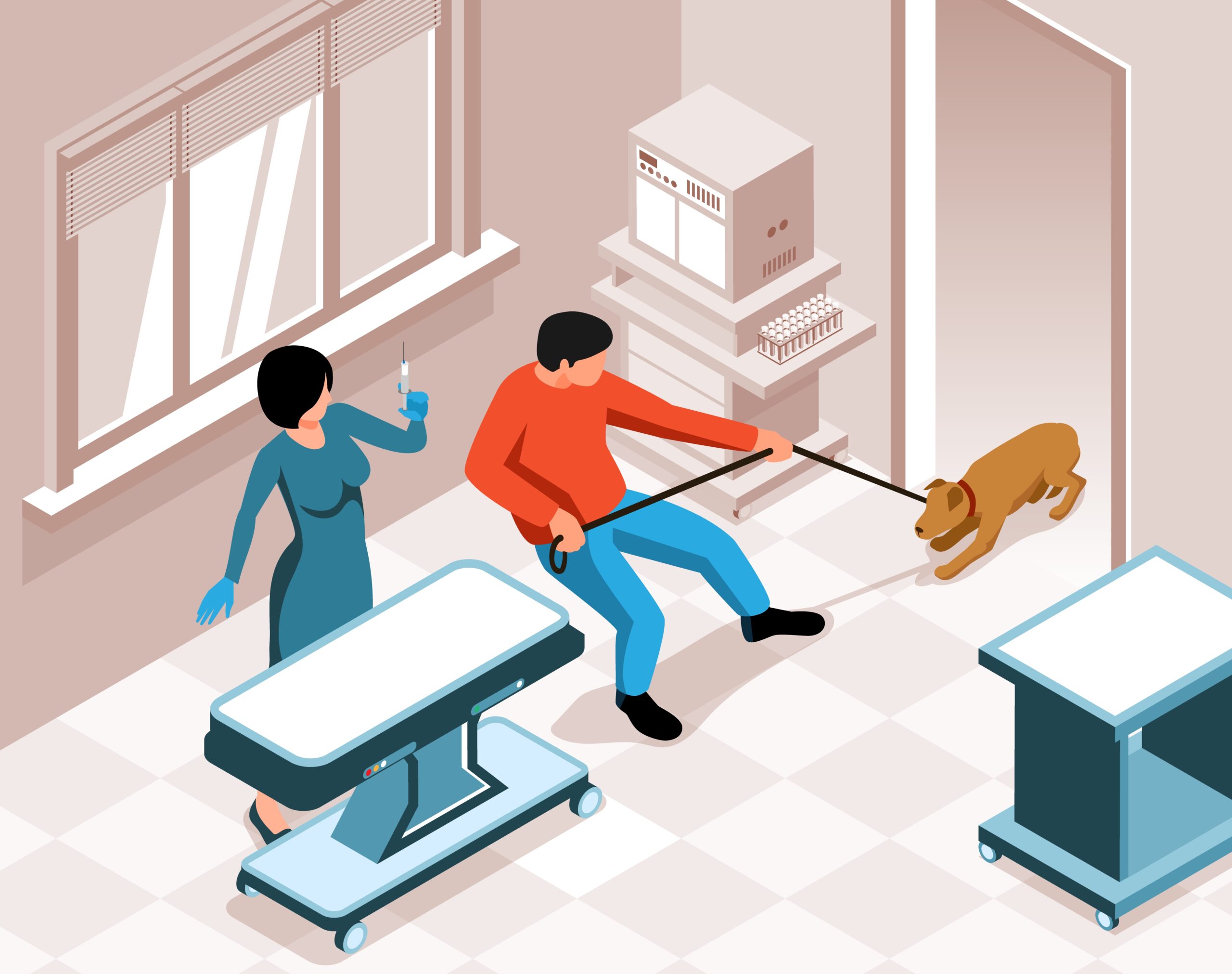
It is a common and confusing moment for owners: a dog who used to walk into the vet clinic without a second thought suddenly starts trembling, pulling toward the door, or refusing to get out of the car. This shift usually has a clear, identifiable cause, and in almost every case it can be improved with a patient, deliberate approach.
Why Vet Fear Often Appears “Suddenly”
Fear of the vet rarely comes out of nowhere. Often, one uncomfortable visit, a painful procedure, a long wait in a stressful lobby, or even just a string of visits that all happened to involve something unpleasant, is enough to create a lasting negative association. Because dogs connect situations with outcomes very efficiently, a single bad experience can outweigh years of neutral ones.
Recognizing the Signs of Vet-Related Fear
Watch for trembling, tucked tail, flattened ears, excessive panting, drooling, or attempts to hide or bolt as you approach the clinic. Some dogs show it earlier than others, becoming anxious as soon as you turn onto the street the clinic is on, or even at the sight of the carrier or leash used specifically for vet trips. Recognizing these early cues lets you intervene before your dog reaches full panic.
Talk to Your Vet About a Fear-Free Approach
Many clinics now offer fear-free or low-stress handling techniques: quieter waiting areas, non-slip surfaces, treats and gentle handling during exams, and pacing that respects a dog’s stress signals. Call ahead and ask what your clinic offers, since these accommodations can make a significant difference in how your dog experiences each visit going forward.
Rebuilding Trust With “Happy Visits”
One of the most effective long-term fixes is scheduling brief, low-pressure visits that involve no actual procedure at all: walk in, let your dog get treats from the staff and sniff around the lobby, then leave. Repeated a handful of times, these visits teach your dog that the building itself does not always predict something scary, which gradually softens the association built up by past bad experiences.
- Ask your clinic if you can schedule brief no-procedure visits just for treats and calm attention.
- Bring your dog’s favorite high-value treats, reserved only for vet-related outings.
- Keep the car ride and waiting room as calm and low-key as possible, avoiding rushing or excessive comforting, which can heighten anxiety.
What You Can Do Before and During Visits
Practice calm handling at home, gently touching paws, ears, and mouth while rewarding relaxation, so the physical contact of an exam feels more familiar. During actual visits, stay calm yourself, since dogs pick up on their owner’s tension, and ask the vet team to pause if your dog shows signs of escalating stress rather than pushing through.
When to Consider Additional Support
For dogs with significant, entrenched fear, a veterinary behaviorist can help design a more structured desensitization plan, and in some cases a vet may recommend a short-term anti-anxiety medication specifically for appointments to keep your dog below the threshold of panic while the trust-building work continues. With consistency, most dogs can regain a reasonable level of comfort with vet visits over time.